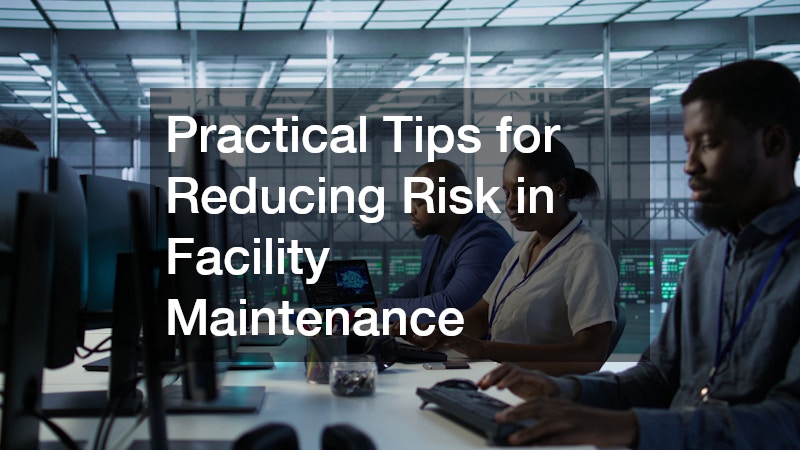
Maintaining a facility is far more than making sure it stays clean and functions efficiently. Proper facility management involves a wide range of responsibilities, from promoting structural integrity to creating a safe and healthy environment for employees, visitors, and occupants. Neglecting these duties can lead to safety hazards, regulatory violations, costly repairs, and even legal liabilities. A proactive approach, grounded in systematic planning and best practices, is essential to reducing these risks and promoting operational excellence.
Facilities face many different types of risk, including environmental hazards like moisture, chemical exposure, or mold, as well as operational risks such as equipment failure or improper handling of materials. Even minor oversights, such as mismanaged cleaning protocols or poorly maintained temporary facilities, can result in significant consequences over time. By anticipating potential problems and implementing preventive measures, facility managers can maintain a safe, compliant, and efficient environment while avoiding costly emergencies.
Developing an effective risk mitigation strategy begins with a comprehensive evaluation of the facility. This includes assessing structural elements, monitoring environmental conditions, reviewing maintenance protocols, and evaluating staff practices. Proactive planning guarantees that issues are addressed before they escalate, resources are allocated efficiently, and operations remain smooth. By following a structured approach, facility managers can safeguard both the property and the people who use it, creating a sustainable framework for long-term success.
Establish Clear Legal and Compliance Protocols
Legal and regulatory compliance is the foundation of risk management in any facility. Verifying that contracts, agreements, and operational procedures comply with local laws and industry standards protects the organization from liability and promotes a culture of accountability. A key element of this process is working closely with a business attorney, who can provide guidance on legal responsibilities, employee safety obligations, and regulatory compliance.
A business attorney can help review contracts with vendors and service providers to verify that all parties understand their obligations and liabilities. This is especially important when outsourcing specialized tasks such as hazardous waste handling or professional cleaning, as these agreements can significantly impact the facility’s risk profile. Routine audits of contracts and insurance policies can prevent gaps in coverage and reduce exposure to potential legal claims.
- Conduct regular compliance audits of all facility operations.
- Guarantee all staff are trained on OSHA or relevant safety standards.
- Maintain clear documentation of contracts, inspections, and maintenance activities.
- Review incident reports to identify patterns that may require policy updates.
Facility managers should also establish internal protocols for reporting hazards, documenting incidents, and responding to safety concerns. By creating clear lines of responsibility and communication, organizations can respond quickly to emerging risks and demonstrate diligence in legal and regulatory matters. Proactive planning in this area reduces the likelihood of fines, lawsuits, and operational disruptions, while promoting a safe and compliant workplace.
Maintain High Standards in Property Cleaning
Cleanliness is not just about aesthetics; it is a critical component of safety and health in any facility. Engaging professional rental property cleaners promotes that spaces are hygienic, reducing the risk of contamination, illness, and allergen buildup. Facilities with high foot traffic or multiple occupants are particularly vulnerable to the spread of germs, dust, and debris, making routine cleaning essential.
In addition to general cleaning, maintaining rugs and carpets is equally important. Scheduling a professional rug cleaning service helps remove deeply embedded dirt, allergens, and microorganisms that can compromise indoor air quality and contribute to health issues. Establishing a regular cleaning schedule prevents the accumulation of hazardous materials and promotes a safe environment for employees and visitors.
- Use trained staff or professional cleaners for specialized surfaces.
- Document cleaning schedules to secure accountability and compliance.
- Incorporate deep-cleaning routines for carpets, upholstery, and high-touch surfaces.
- Monitor results to adjust frequency and methods as needed.
Proper cleaning protocols also reduce long-term maintenance costs. When surfaces, carpets, and high-touch areas are regularly cleaned and maintained, deterioration slows, and the need for costly repairs or replacements decreases. Investing in professional services helps maintain cleaning that is effective, safe, and compliant with health standards, forming a critical part of any facility risk mitigation plan.
Implement Hazardous Waste Management
Handling chemicals and hazardous materials is one of the most significant risks in facility maintenance. Proper disposal and management practices are essential to protect staff, the environment, and the organization’s legal standing. Partnering with solvent recyclers can provide a safe and sustainable way to manage chemical byproducts. Solvent recyclers process used chemicals for reuse or safe disposal, reducing environmental impact and minimizing exposure risks within the facility.
Facilities should also establish strict labeling, storage, and handling protocols for hazardous materials. Properly designated storage areas, spill containment solutions, and clear safety instructions prevent accidents and facilitate compliance with environmental regulations. Staff should be trained on the safe handling of chemicals, including appropriate protective equipment and emergency procedures.
- Label all chemicals clearly with hazard warnings and usage instructions.
- Use containment trays and proper ventilation in chemical storage areas.
- Schedule regular pick-ups with solvent recyclers to prevent accumulation.
- Train staff on emergency spill response and clean-up procedures.
An effective hazardous waste management program not only reduces the likelihood of accidents but also demonstrates a commitment to environmental responsibility. By maintaining rigorous standards and partnering with professional services, facilities can mitigate chemical risks while improving sustainability and regulatory compliance.
Address Health Risks Promptly
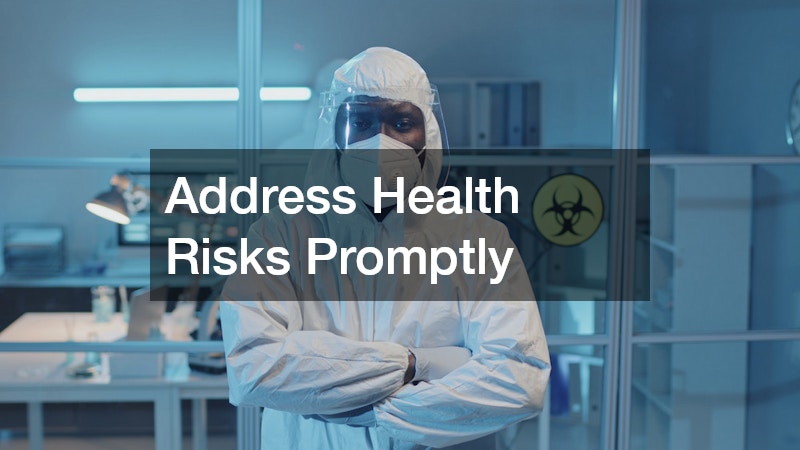
Facilities can face significant health hazards if mold, biohazards, or other contaminants are allowed to accumulate. Mold and biohazard cleanup should be treated as a priority to protect the health of staff and visitors. Professional services specializing in these areas can safely remove contaminants, disinfect affected areas, and prevent cross-contamination.
Regular inspections are key to identifying potential health risks early. Moisture-prone areas, such as bathrooms, kitchens, and basements, should be monitored for leaks or standing water. Staff should be trained to report unusual odors, discoloration, or other signs of mold growth immediately.
- Conduct routine inspections for water leaks and moisture build-up.
- Engage professional cleanup services for any identified biohazard risks.
- Establish hygiene protocols for staff to minimize exposure during cleaning.
- Document and monitor remediation efforts to secure complete resolution.
Prompt attention to health risks not only safeguards personnel but also reduces the likelihood of costly litigation or regulatory penalties. By incorporating mold and biohazard cleanup into routine maintenance schedules, facilities can maintain a healthy environment while minimizing operational disruptions.
Optimize Cleaning Supplies and Inventory Management
Proper management of cleaning supplies is a critical aspect of risk mitigation. Partnering with a custodial supply company guarantees that facilities have access to safe, high-quality products that comply with health and safety standards. These companies provide expertise in selecting effective chemicals, tools, and equipment that reduce the risk of accidents and contamination.
Inventory management also helps prevent hazards. Overstocked chemicals or expired products can pose significant risks, including chemical reactions, spills, or accidental exposure. Maintaining an organized, well-documented inventory allows staff to track product usage, reorder efficiently, and enables proper storage.
- Maintain a detailed inventory of all cleaning supplies and chemicals.
- Store products according to manufacturer guidelines and safety requirements.
- Rotate stock to use older products first and prevent expiration.
- Train staff on proper handling and disposal of supplies.
A strategic approach to cleaning supplies and inventory not only promotes safety but also enhances efficiency. Staff can access the materials they need when they need them, reducing delays and preventing risky improvisation with substitutes. This contributes to a safer, more streamlined maintenance program.
Keep Outdoor and Temporary Facilities Clean and Hygienic
Outdoor and temporary facilities, such as portable restrooms, present unique sanitation challenges. Partnering with a local portable toilet rental provider guarantees that temporary units are serviced regularly, cleaned effectively, and maintained in compliance with health regulations.
Routine cleaning and maintenance prevent unpleasant odors, contamination, and the spread of germs. Scheduling service visits at consistent intervals ensures that facilities remain safe and hygienic for users. Staff should also be trained on proper hygiene protocols, including handwashing and waste handling.
- Select rental providers with established sanitation protocols.
- Schedule regular cleaning and servicing of units.
- Educate staff and users on proper hygiene practices.
- Maintain service logs to verify compliance and performance.
By maintaining these facilities to high standards, organizations reduce health risks, improve user experience, and demonstrate a commitment to safety and sanitation. Properly managed temporary units also minimize complaints and liability exposure.
Protect Equipment from Thermal Risks
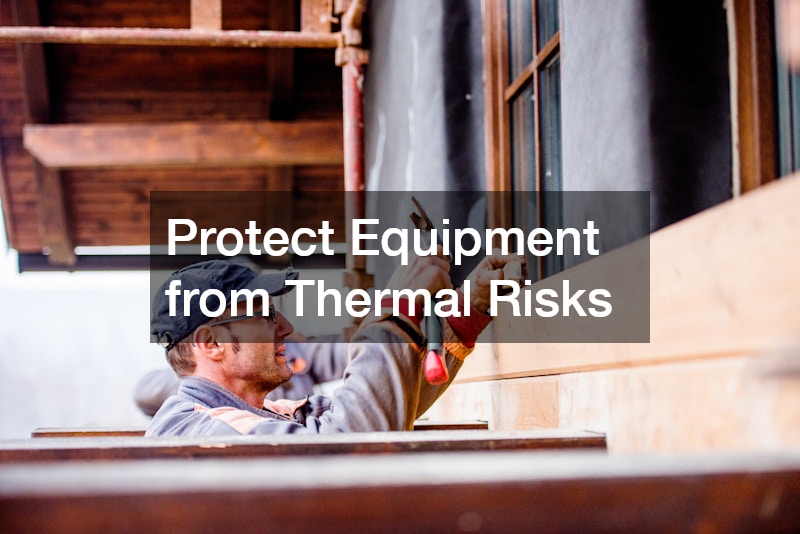
Many pieces of facility equipment generate heat or operate in environments where temperature control is critical. Installing a removable insulation cover protects machinery and piping from thermal loss, overheating, or accidental burns. These covers are particularly useful in industrial and mechanical areas, where staff safety and equipment longevity are closely linked.
Regular inspection of insulation covers guarantees they remain intact and effective. Damaged or poorly installed covers can reduce energy efficiency, expose staff to burns, and increase maintenance costs. Staff should also be trained in the correct removal and reinstallation of covers during service or repair.
- Inspect insulation covers regularly for wear and damage.
- Schedule routine maintenance for machinery with temperature-sensitive components.
- Train staff in safe handling and reinstallation practices.
- Replace damaged covers promptly to maintain protection and efficiency.
Using removable insulation covers contributes to both safety and operational efficiency. They prevent accidents, reduce energy costs, and extend the life of facility equipment while supporting a safer working environment.
Incorporate Sustainable Practices
Environmental sustainability is increasingly a focus in facility management. Understanding how to test biodegradability helps facilities assess the environmental impact of cleaning products, waste materials, and chemical solutions. Products that break down safely reduce ecological impact and comply with environmental regulations.
Integrating biodegradable and environmentally friendly materials into daily operations minimizes the facility’s carbon footprint. Staff should be educated on proper disposal methods, the selection of sustainable products, and techniques that reduce waste. Sustainability also intersects with safety, as eco-friendly products often contain fewer harmful chemicals.
- Test new cleaning and maintenance products for biodegradability.
- Implement eco-friendly waste disposal and recycling programs.
- Educate staff on sustainable practices and regulatory compliance.
- Monitor results and update policies to continuously improve sustainability.
By prioritizing sustainable practices, facilities reduce environmental impact, enhance compliance, and support long-term operational efficiency while safeguarding staff and occupants.
Improve Air Quality and Filtration
Indoor air quality is a critical aspect of risk mitigation in facilities. Gas purification technologies can help remove harmful contaminants, particulate matter, and volatile organic compounds from indoor environments, creating healthier spaces for employees and visitors.
Routine maintenance of air filtration systems guarantees they function effectively. Filters should be replaced on schedule, and purification equipment should be calibrated according to manufacturer specifications. Monitoring air quality in high-risk areas allows for timely interventions and adjustments to systems.
- Install air purification and gas filtration systems in key areas.
- Perform regular inspections and maintenance on all air handling units.
- Monitor air quality for chemical or particulate levels.
- Train maintenance staff on system operation and emergency procedures.
Clean air reduces health risks, improves productivity, and prevents long-term damage to facility infrastructure from airborne contaminants. Integrating gas purification technologies is a proactive step in comprehensive risk management.
Build a Comprehensive Risk Mitigation Plan
Finally, facilities should implement a holistic risk mitigation plan that coordinates all areas of maintenance, safety, and operations. This plan integrates inspections, staff training, cleaning schedules, equipment maintenance, and emergency procedures into a unified strategy.
Creating clear documentation and communication channels enables all stakeholders to understand their responsibilities. Staff should know how to report hazards, respond to emergencies, and adhere to standard operating procedures. Periodic reviews and updates keep the plan relevant to evolving conditions, seasonal challenges, and regulatory changes.
- Conduct regular risk assessments and audits.
- Develop detailed emergency response protocols.
- Train staff on all safety and maintenance procedures.
- Review and update the risk mitigation plan periodically.
A comprehensive approach guarantees that facilities are prepared for routine operations and unexpected challenges. By combining preventive measures, professional services, and employee accountability, organizations can minimize risk, maintain compliance, and foster a safer, more efficient environment.
Reducing risk in facility maintenance requires a holistic approach that balances safety, operational efficiency, environmental responsibility, and regulatory compliance. Implementing proactive strategies, conducting routine inspections, and collaborating with professional service providers helps identify and address potential hazards before they become serious problems. Facilities that embrace systematic risk management protect employees, visitors, and assets while maintaining smooth, uninterrupted operations.
Key components of effective risk reduction include thorough cleaning, proper hazardous waste management, air quality control, and equipment safety. Training staff, documenting procedures, and maintaining organized schedules enhance accountability and help prevent accidents. By integrating these practices into daily operations, facility managers can foster a safer, healthier, and more productive environment that supports long-term sustainability and compliance.
Ultimately, facility maintenance is an ongoing commitment rather than a one-time task. Establishing structured protocols, reviewing risk mitigation plans regularly, and adapting to evolving challenges empowers organizations to maintain safe, efficient, and resilient facilities. Through careful planning and consistent execution, property managers can reduce hazards, safeguard occupants and assets, and maintain facilities that are functional, reliable, and sustainable over the long term.