When it comes to your business, selecting the right roof is more than a practical decision—it’s a strategic one. A commercial roof protects your assets, supports energy efficiency, and can even impact long-term operating costs. With multiple roofing materials and systems available, understanding the options and maintenance requirements is essential. This guide helps business owners navigate the process, ensuring their commercial roofing investment meets both immediate needs and future goals.
What Are the Types of Commercial Roofs Available?
Built-up roofing (BUR) is one of the oldest and most reliable commercial roofing systems. Often referred to as “tar and gravel” roofs, BUR consists of multiple layers of bitumen and reinforcing fabrics.
These layers create a durable, watertight barrier capable of withstanding heavy foot traffic and extreme weather. The system’s multi-layered design provides excellent insulation, making it ideal for businesses seeking long-term durability and energy efficiency. While installation can be labor-intensive, the lifespan and reliability often justify the investment.
Modified bitumen roofing builds on traditional BUR systems by incorporating polymer-modified asphalt sheets. This type of roofing offers enhanced flexibility, UV resistance, and ease of repair. Modified bitumen is available in both torch-down and cold-applied options, giving businesses flexibility in installation methods. Its resilience against cracking and temperature fluctuations makes it a practical choice for areas with extreme seasonal changes. Businesses seeking a balance between durability and affordability often turn to modified bitumen systems.
EPDM, or ethylene propylene diene monomer, is a synthetic rubber roofing material known for its longevity and resistance to environmental stressors. EPDM roofs are lightweight, easy to install, and exceptionally resistant to UV radiation and ozone exposure. Their ability to handle wide temperature ranges makes them particularly suitable for climates with harsh winters or intense summers. EPDM is also highly repairable, meaning minor issues can be addressed without extensive downtime—an important consideration for operational continuity.
How Do I Determine the Best Roof Material for My Business Needs?
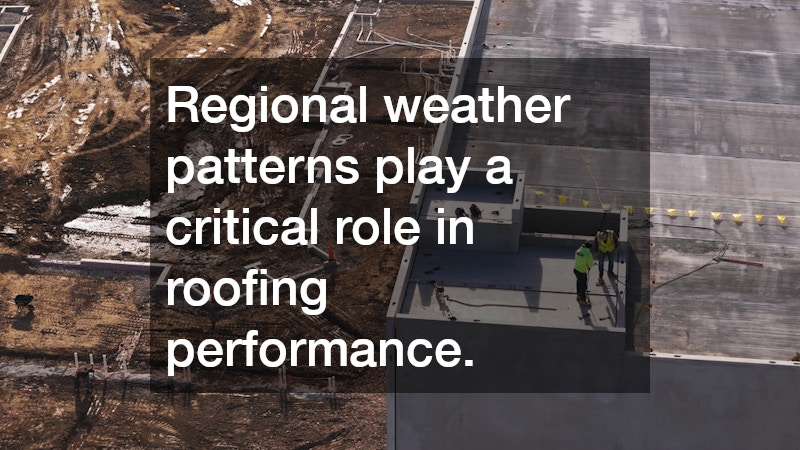
Regional weather patterns play a critical role in roofing performance. Businesses in areas with heavy rainfall may prioritize waterproofing and drainage, while those in hot climates may focus on reflective surfaces to reduce cooling costs. A knowledgeable commercial roofing company can help evaluate how each material performs under local conditions, ensuring your roof provides long-term protection and efficiency.
Energy-efficient roofing materials can significantly impact operating expenses. Reflective membranes and insulated roofing systems reduce heat absorption, lowering air conditioning costs in the summer and enhancing overall energy savings. Some roofing systems also support green roof installations or solar panel integration, helping businesses meet sustainability goals. Choosing a system with energy efficiency in mind can deliver measurable financial benefits over the roof’s lifespan.
Cost is a decisive factor for most businesses. While premium roofing materials may offer extended durability and lower maintenance needs, budget-conscious businesses can still find options that provide value without compromising quality. A skilled commercial roofing company can help balance upfront costs with long-term benefits, guiding businesses toward solutions that meet financial and operational requirements.
What Maintenance Is Required for Commercial Roofs?
Regular inspections are essential for prolonging the life of any commercial roof. Inspections help identify minor issues such as loose flashing, small punctures, or drainage blockages before they escalate into costly repairs. Many businesses schedule inspections at least twice a year—typically in spring and fall—to address seasonal stresses and prepare for extreme weather events.
Over time, commercial roofs may experience wear or damage. Prompt repairs, from patching leaks to replacing damaged membrane sections, can prevent more extensive problems. Some roofing systems also allow for restoration coatings, which can extend the roof’s life by several years without a full replacement. Engaging a commercial roofing company for repairs ensures the correct materials and techniques are used, preserving warranty coverage and long-term performance.
Preventive maintenance goes beyond inspections and repairs. Clearing debris, maintaining proper drainage, and monitoring rooftop equipment can prevent common problems like water pooling and membrane deterioration. Businesses that implement a proactive maintenance plan typically experience fewer emergency repairs and enjoy greater peace of mind knowing their investment is protected.
Choosing the right commercial roof for your business requires careful consideration of material options, climate suitability, energy efficiency, and maintenance needs. Built-up roofing, modified bitumen, and EPDM each offer unique advantages, and the right choice depends on your business goals, location, and budget. Partnering with a reputable commercial roofing company ensures informed decisions, professional installation, and ongoing support. By taking a strategic approach, businesses can secure a durable, efficient roofing system that protects assets, enhances operational performance, and supports long-term growth.